Case Studies
Five projects where the design was the smallest part of the story. Strategy, positioning, and cross-team execution shaped what shipped.

01 · Case Study
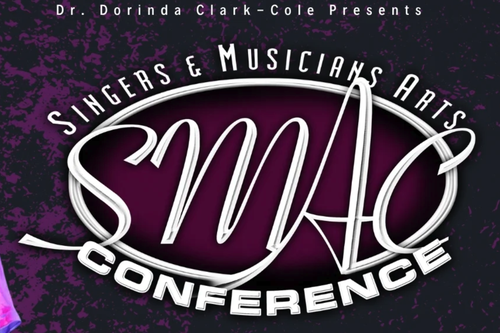
Rebrand and digital rollout, formerly the Dorinda Clark Cole Singers and Musicians Conference
A committee member came to me about sponsorship. The conference wasn't struggling. It had run for years, and the community around it was strong. But sponsorship growth had plateaued, and she wanted a way past that. I saw an opportunity in how narrow the conference's identity was.
The audience was already broader than the name suggested. Dancers, worship arts practitioners, and educators were showing up. On paper, though, we were still a singers-and-musicians conference. I made the case that we should widen the identity to reflect the full arts education picture. That wasn't the obvious move to the committee, and it took some pushing to get everyone aligned.
Once we were, the work moved quickly. The conference became the Singers and Musicians Conference of the Arts, with a workshop framework that pulled in worship arts beyond music. I designed the new identity system and rolled it out across every digital surface: site, event graphics, promo materials, social. The system had to signal the wider scope without walking away from the gospel-rooted community the conference had built.
The rebrand opened conversations that hadn't been available before. Universities in particular started responding. Berklee College of Music partnered with the conference because our expanded arts education focus aligned with their outreach goals. That relationship brought multi-year sponsorship and scholarships across several conferences. It also put the conference into more national conversations about arts education, particularly in Detroit.
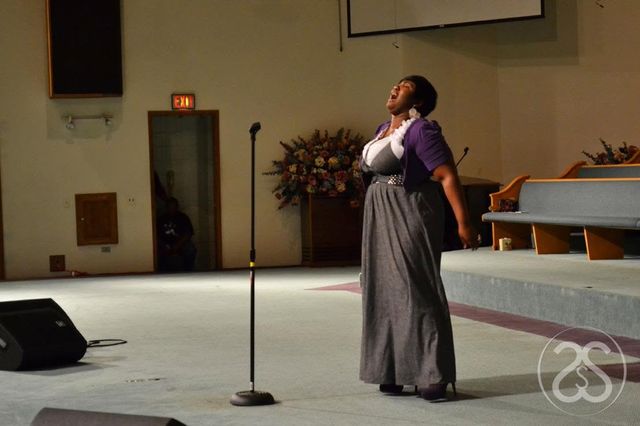
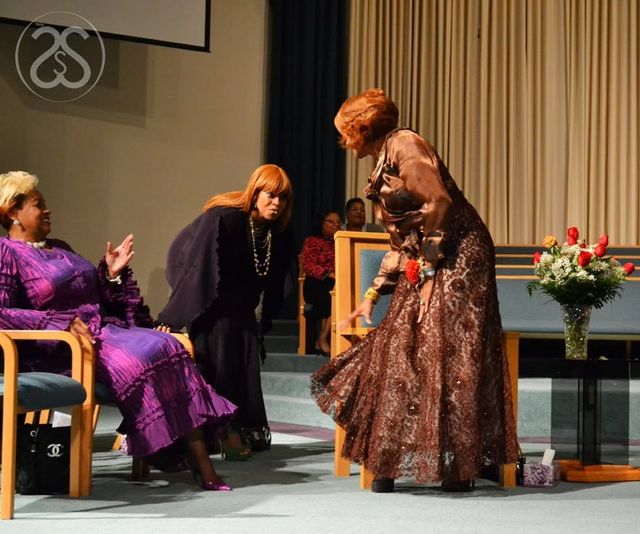
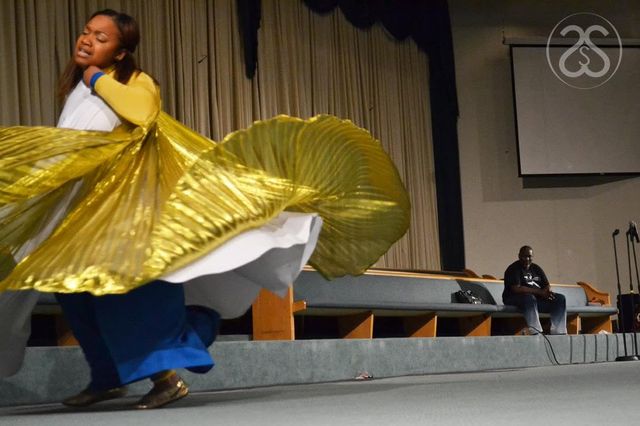
Selected event photography
02 · Case Study
Web presence and pitch materials for a national OOH activation firm
WilPower Entertainment came to me needing a stronger web presence. They run national out-of-home activation campaigns in the African American community. That means their audience is split. The people writing the checks are Fortune 500 marketers. The work itself has to land in the neighborhoods where it runs. Their existing materials were speaking to one side of that room, not the other.
What I proposed was a system that could read as premier without losing what makes WilPower the right partner in the first place. Corporate marketers evaluating vendors for national contracts don't take a chance on anyone whose materials look homemade. But that polish couldn't come at the cost of cultural fluency. The site, the decks, every touchpoint had to carry both languages at once.
I handled the graphic design, web design, presentation deck systems, business analytics, and generative AI production support across their main brand and their sub-projects. The through-line was consistency. Whether a Netflix executive was landing on the site or opening a pitch deck, they encountered the same clear identity.
Since the rebuild, WilPower has closed targeted marketing deals with Netflix, AT&T, Amazon, Procter & Gamble, Showtime, and more. The unified system has extended into their sub-projects and adjacent brands, so WilPower reads the same across everything they touch.
Live site
03 · Case Study
For a leading Ivy League institution's professional education division · 2019 UPCEA award
When I got to the division, there was already an idea on the shelf. A structured email drip campaign for master's program prospects, running across the whole portfolio. Everyone agreed it should exist. Nobody had actually built it. The people, the programs, and the appetite were all there. What was missing was someone to run it.
I took the project on. That meant pulling the writing team, the design team, the email operations team, and the program stakeholders into the same conversation and keeping them there. Every program had its own audience, its own selling points, and its own timing. The framework had to accommodate all of it and stay maintainable once we handed it off.
The final rollout covered 21 master's programs with over 100 emails, reaching tens of thousands of prospects across the funnel. It's still running today, seven years and counting, and has moved enrollment yield the entire time. UPCEA, the University Professional and Continuing Education Association, recognized the work with an award for project impact.
04 · Case Study
Visual identity and rollout for the awards show and its fringe events · 2018 to present
When I started designing for Gospel Choice in 2018, the show's visual presence didn't match where a new ownership team wanted to take it. The ambition was clear. Broader appeal, stronger credibility, more nominees, an international audience. The design needed to catch up to the strategy.
I took on the full communications system. Awards show materials, promo flyers, and a set of nomination assets that artists could use in their own promotion. That last piece mattered more than it looks. Every nominee who posted their nomination graphic gave the show another impression in front of a new audience. The brand traveled through the artists themselves.
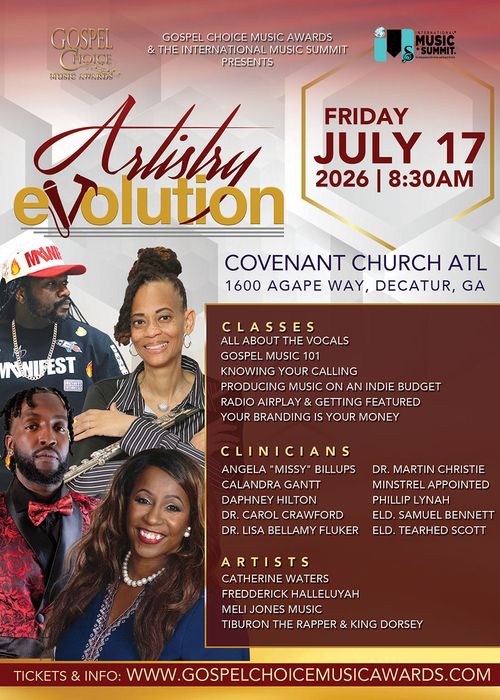
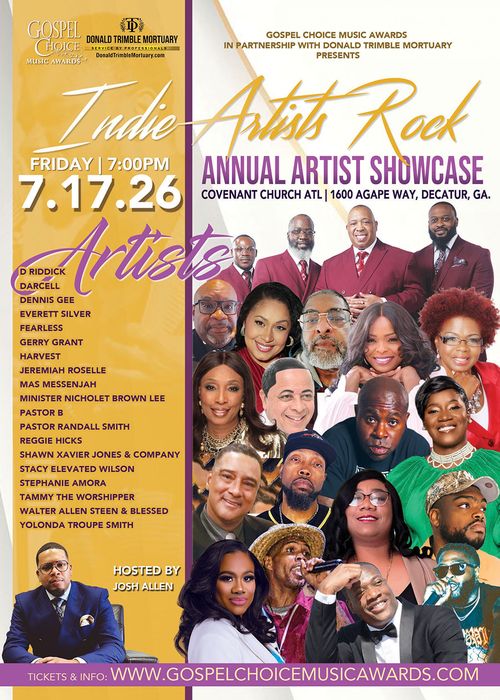
As the main show grew, I designed for the fringe events with the same treatment. Indie Artists Rock became a premier showcase for independent gospel artists building awareness. Artistry Evolution turned into a serious workshop track for the wider community. Both needed to feel connected to Gospel Choice while carrying their own identity.
The trajectory has been steady. Nominee counts increased. The audience broadened. Both fringe events built their own reputations. What started as a design refresh grew into a full visual brand system carrying an expanding platform.
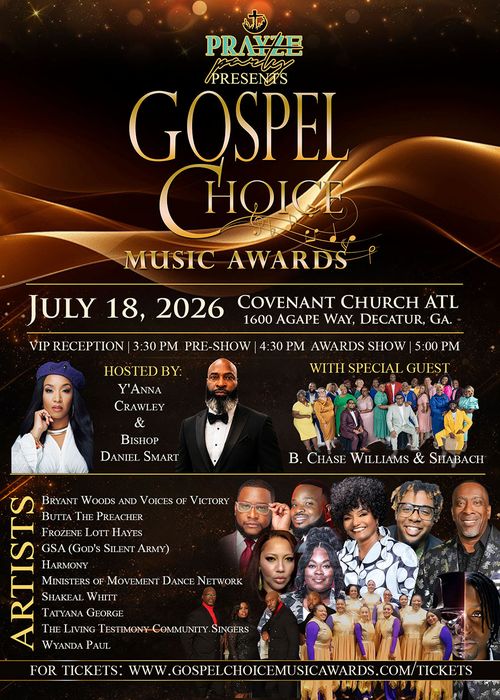
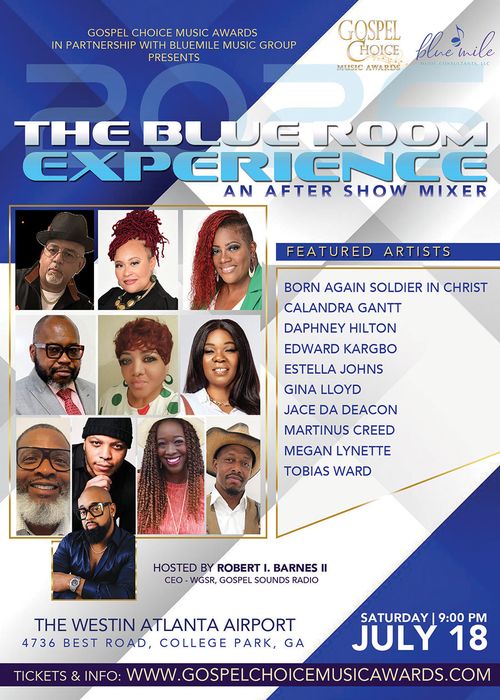
2026 season materials
05 · Case Study
International recruitment and pipeline repair, for a leading Ivy League institution's professional education division
Before my first recruitment trip to two international markets, I audited the numbers and found the real problem wasn't demand. The prospect pipeline was leaking. A workflow flaw meant tens of thousands of interested prospects had never received a single communication after raising their hands. I rebuilt the capture and follow-up process first, because no recruitment strategy survives a funnel that loses people silently.
Then I changed the strategy itself. Information sessions had always run in English, which meant we were selling to students while their parents, the actual decision makers, sat behind a language wall. I presented in the families' first language. The resistance broke immediately. Parents asked questions, stayed after sessions, and engaged as participants rather than observers.
The following summer, enrollment from those two markets grew more than 4.5x. The data diagnosed the problem, but the fix wasn't in the data. Analytics tells you where the funnel leaks. Judgment tells you the leak is a person who doesn't feel spoken to.